Social Media Marketing: Strategies

Advanced Digital Marketing
Ashish Kumar

School of Economics, Finance & Marketing, RMIT University

Agenda

  • Social Media Marketing Strategies
  • Content Marketing
  • Viral Marketing
  • Influencer Marketing
  • Livestream Shopping
  • Optimizing Social Media Marketing Strategy

Social Media Marketing Strategies

Definition

Social media marketing strategy

A social media marketing strategy is a blueprint that outlines how a company will incorporate social media into its overall business plan.

  • It more than sharing content - it is a dynamic marketing ecosystem that allows firms to engage with audiences, build relationships, and create lasting connections.


Always On Marketing

Always addressable customers are people who own and use at least three web-connected devices, go online multiple times per day, and go online from multiple physical locations. (Forrester 2012)

Always-on” marketing programs is where every touch point is leveraged - not necessarily simultaneously, but regularly - as an opportunity to build relationships with the influencers.

Engagement Strategy” marketing program is matching influencers’ strengths with firm’s marketing activities. Since influencers are heterogeneous, consider what motivates each type of influencer and understand the best ways to engage with them.

Social media marketing is an effective ways to achieve this as it takes place in both consumer space and brand space.

Social Influence

  • Social media strategies should focus on leveraging social influence to drive consumer behavior.

  • Social influence is the change in an individual’s thoughts, feelings, attitudes, or behaviors that results from social interaction, consisting of another individual or a group.

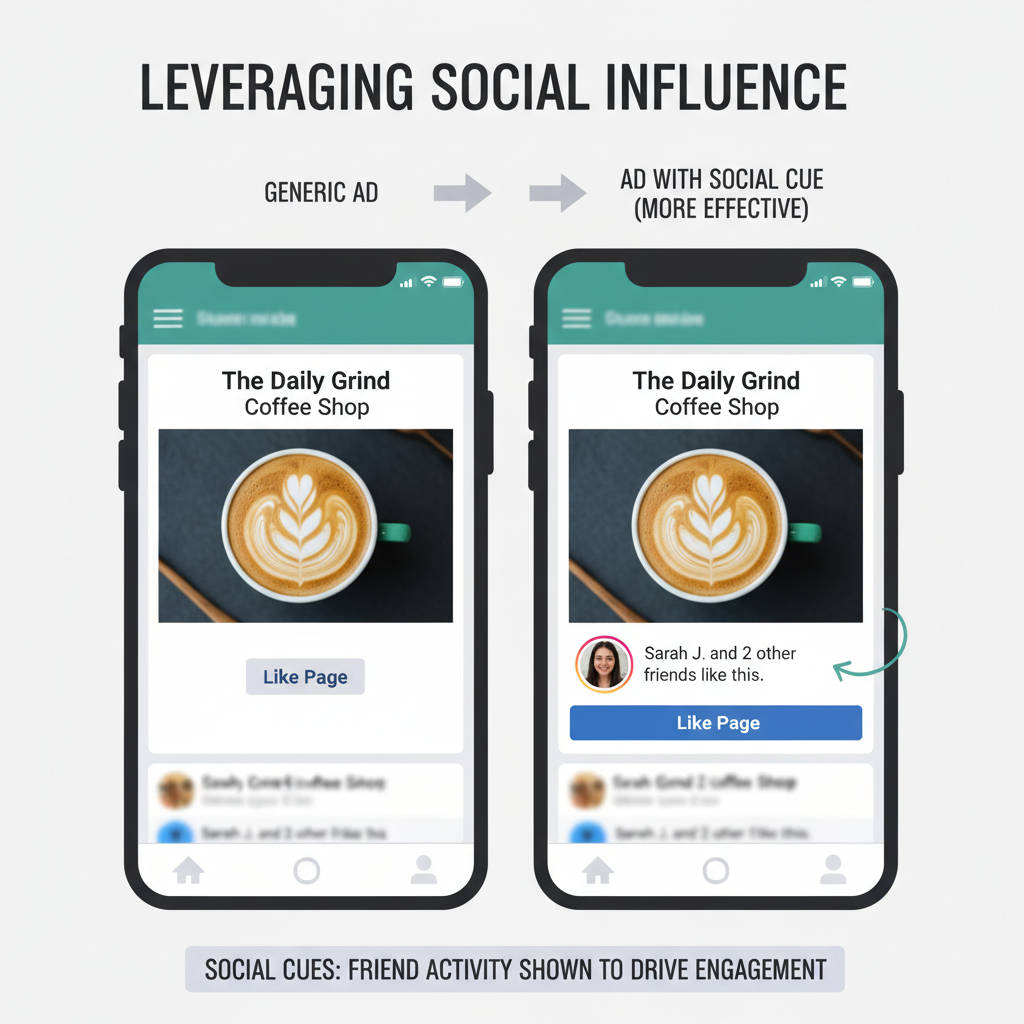
  • Social media platforms exploit these in their ads through social cues.

  • Social cues are displayed information about peers’ affiliations with an advertised entity (e.g., showing that a friend has “liked” a brand) that are included alongside advertisements to influence consumer responses through social influence processes.

POEM Framework

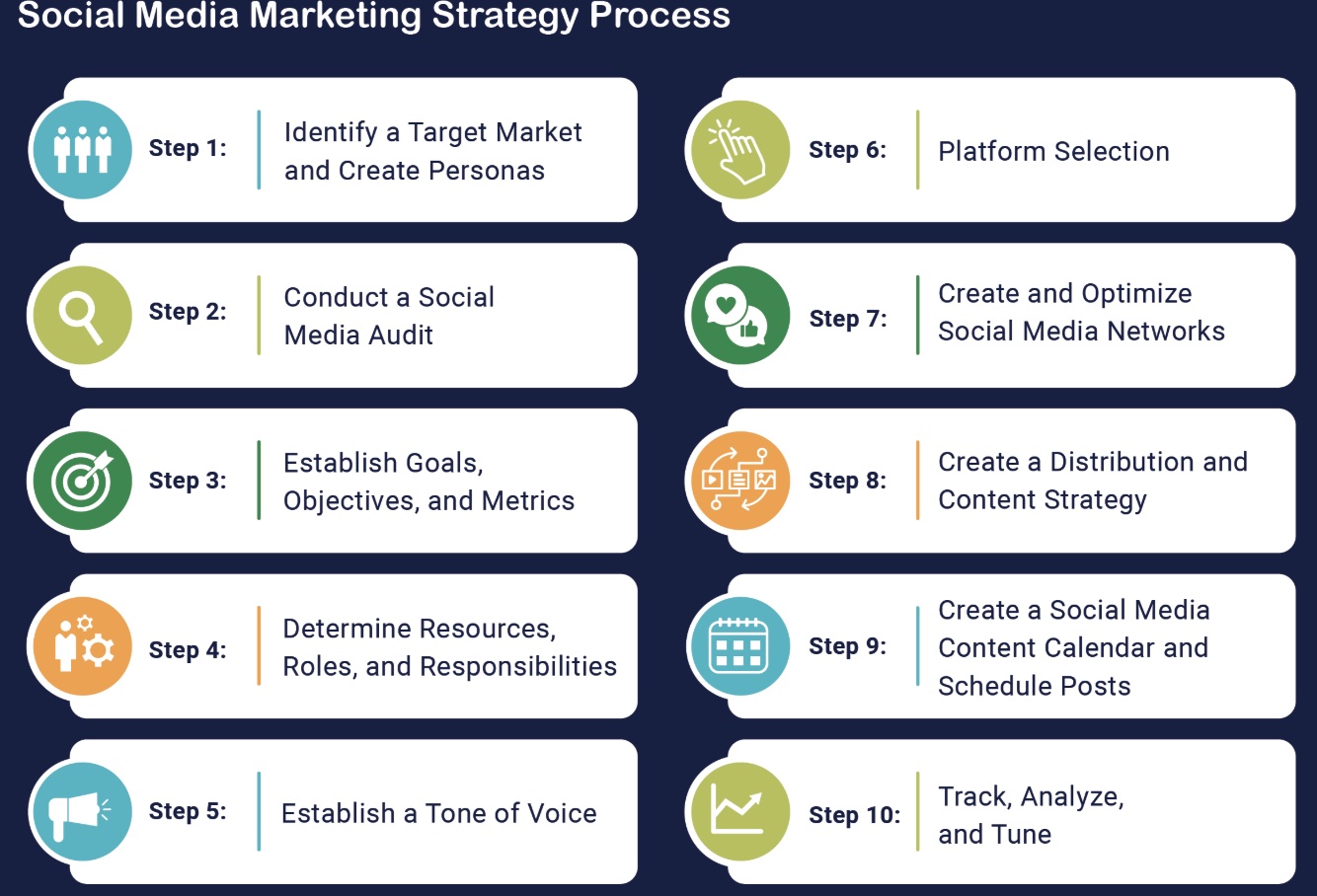
Steps of SM Marketing Strategy
Reflect

  • Case: You are developing a social media marketing strategy for a premium, eco-friendly water bottle brand.

  • Drawing from the steps of SM marketing strategy, outline a basic strategy for this brand.

Content Marketing

Definition

What is Content Marketing?

Content marketing is a form of non-traditional marketing communications whereby a brand produces or designs content in various forms (e.g., text, images, video, audio) and disseminates that content to targeted audiences and/or customers.
What is Content ?

Definition

Content is information that provides a benefit to the person who consumers it.

Why Content Marketing?

  • High level of control over content design

  • Low cost of content dissemination

  • Increased opportunities for audience interactivity and engagement

  • Increased opportunities for content to be virally shared

  • Increased opportunities for real-time feedback

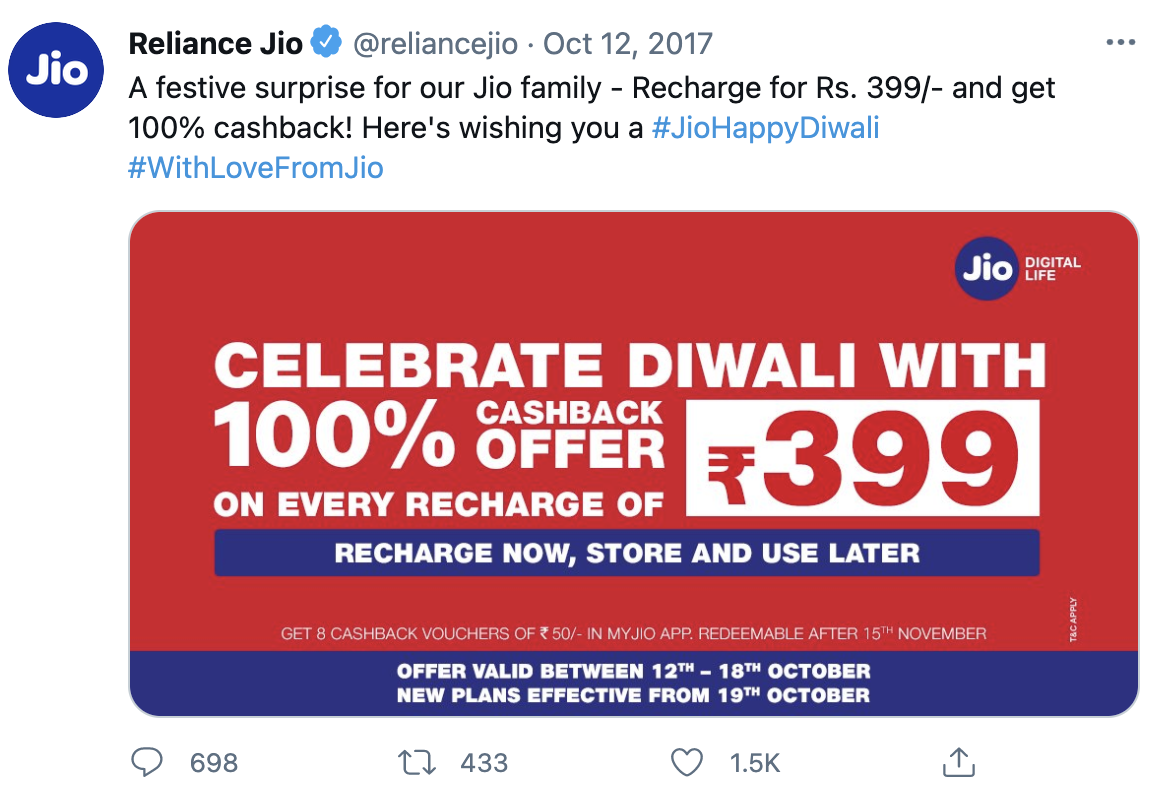
An Example
Effective Social Media Content

  • Relevant to the audience

  • Relevant to the brand

  • No focus on selling or advertising

  • Useful and Informative

  • Positive and upbeat

  • Always-on marketing program (Do not ignore audience)

  • Variety of content

80/20 Rule of Content Marketing

80% of your content should inform, educate, or entertain your audience. Only 20% of your content should directly promote your brand or product.

However, you can break this rule to align your content strategy that accounts for your audience reactions.

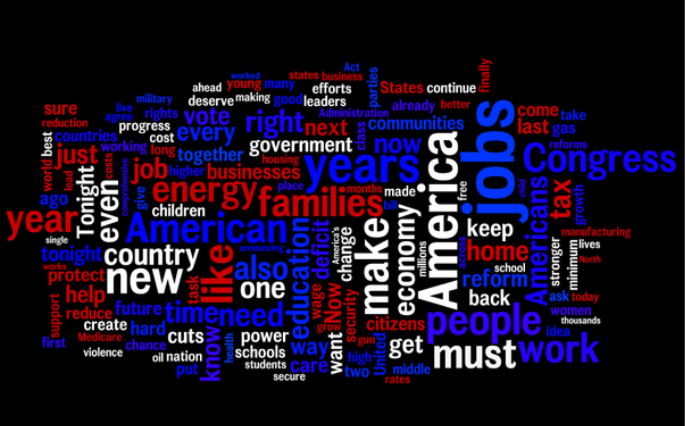
Content Analysis: Word Cloud

President Obama delivered his 2013 State of the Union address on Feb. 12 to a joint session of Congress

Word Cloud

  • Reasons
    • Simplicity and clarity.
    • Potent communication tool.
    • Visually engaging.
  • Steps in Generating Word Cloud
    1. Generate text file
    2. Packages (in R use libraries tm, SnowballC, wordcloud, RColorBrewer)
    3. Remove stopwords, white spaces.
    4. Stem text to get the words to its root form (e.g., liked becomes like)
    5. Create document-term matrix (frequency of each root words)
    6. Create Word Cloud

You can also use online solutions like TagCrowd, WordClounds

Linguistic Analysis

Linguistics is defined as the study of language and language structure through many applications, such as morphology, syntax, phonology, semantics, etymology, and lexicology.

  • Morphology is based on terms and their arrangement. It is the study of words, how they are formed, and their relationship to other words in the same language

  • Lexicology is based on terms and their processes. It is the study of the forms, meaning, and use of words.

  • Commonly Used Linguistic Dimensions for Content Analysis

    • Noun, Pronoun
    • Adjective, Adverb
    • Verb

Software: LIWC

Sentiment Analysis

What does the content convey?

  • Tone of the content
    • Analytic, Clout, Authentic, Emotions
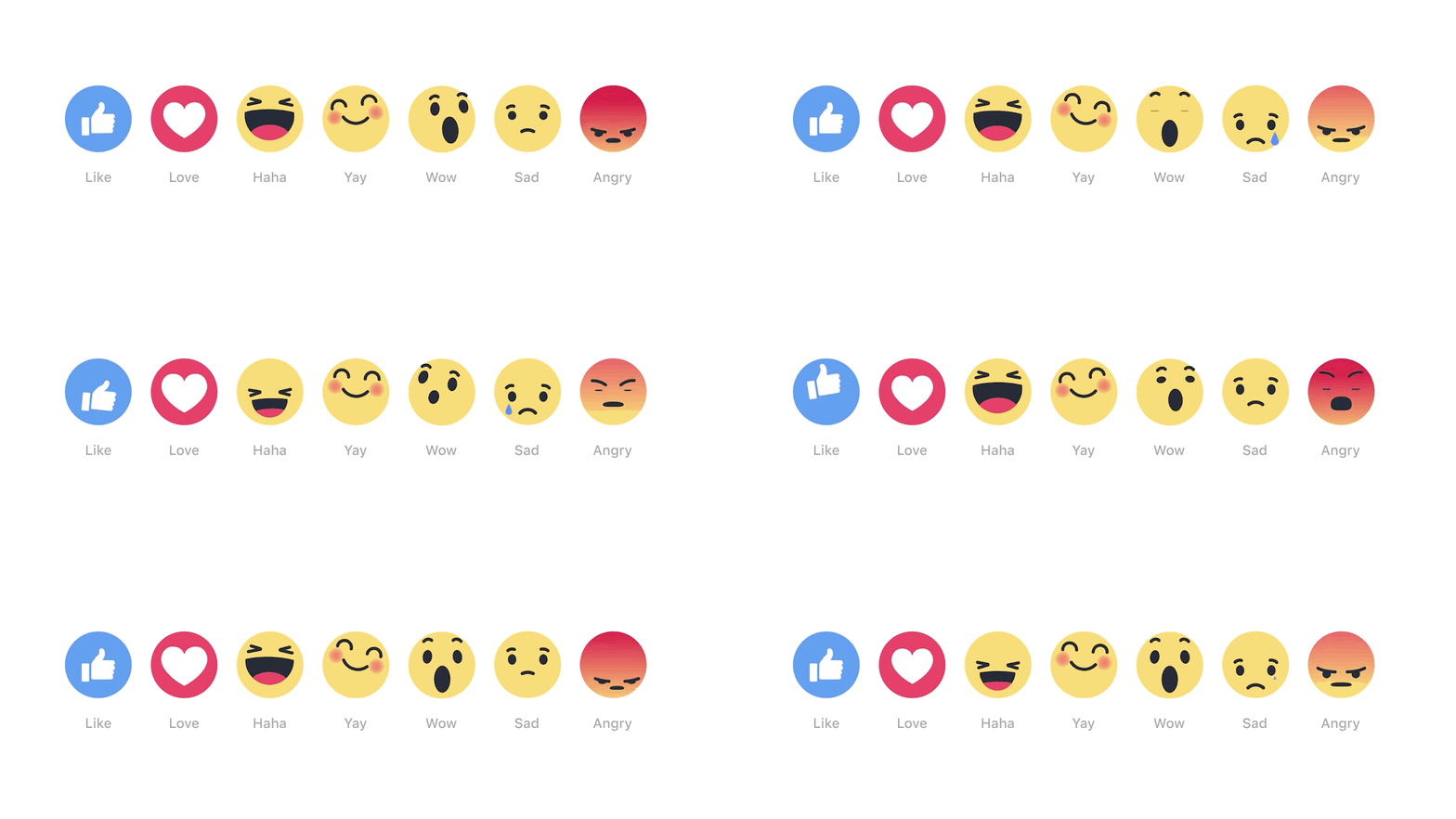
  • Emotion
    • Positive, Negative
  • Psychology
    • Anger, Happiness, Surprise, Disgust, Sadness, Fear
Rule of Thumb

  • Use content marketing to build a brand community


  • Use content marketing to tell a brand story


  • Use contents across media and channel that are coherent

Reflect

Example

The article Go Inside the Employee Ranks To Grow Your Brand’s Content Creation emphasizes the importance of human-in-loop when creating content using AI tools.

Viral Marketing

How Contents Become Viral

Viral = spreads widely and rapidly from one consumer to another

Viral marketing is a form of word of mouth (WoM) or buzz, in which consumers disseminate marketing messages on behalf of the firms.

Viral marketing is made possible by:

  • Self-replication
  • Voluntary replication (WoM)
  • Use of Social Networks
  • Diffusion
  • Types of Content
  • Viral Cycle Time
  • Information from a social source (e.g., a friend) is more influential than when it comes directly from a company

  • The cost of reaching and converting a consumer segment is lower with social media channels than with traditional channels

Viral coefficient & Viral Cycle Time

  • Number of additional people (non-fans) accessing the content via fans sharing it is viral coefficient

  • The shorter the viral cycle time (the faster it takes to go through the whole viral loop) and the larger the viral coefficient, the more viral the process

Viral cycle time = time between one adoption and the other

The efficiency of viral loop is increased often by gamification.

Viral Marketing Campaign

Viral marketing campaign (VMC) = companies using social interactions for distributing content, launching new products, and generating product-related WOM

Typical VMC involves seeding, whereby a firm sends product samples to a selected group of consumers (seeds) and asks them to generate WOM about that product and share with other consumers (masses)
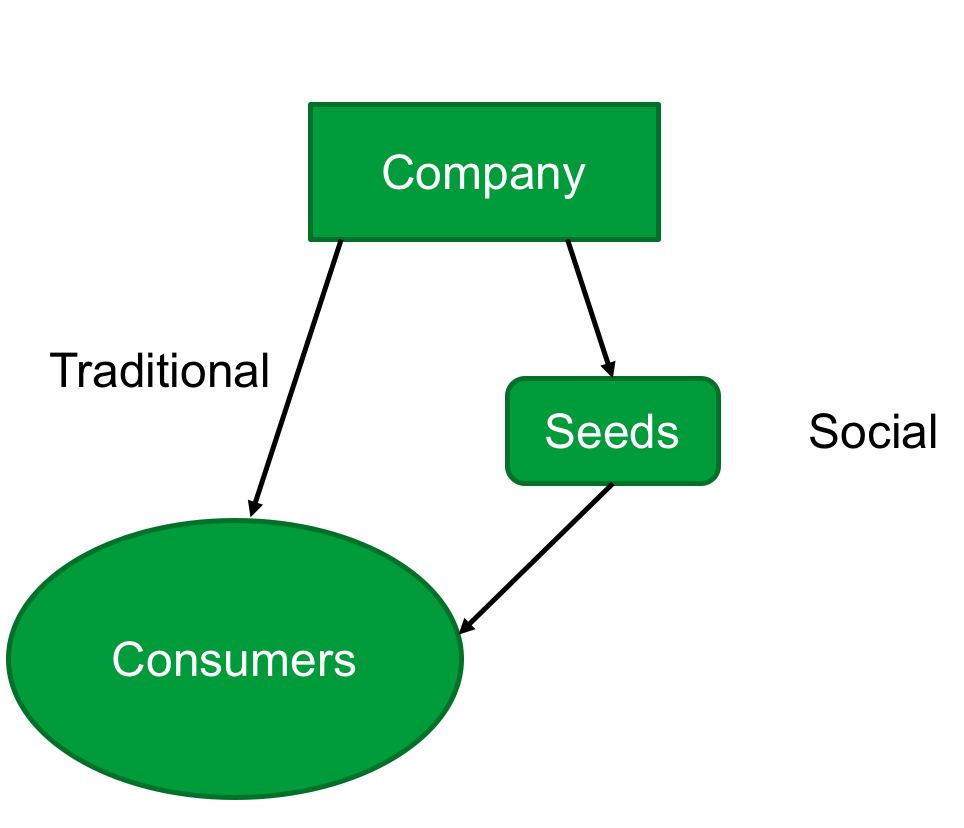
Selecting Seeds: - Connected users (social hubs) - Activated users (social pump)

  • Product category expert
  • Passionate about the product
  • Easy to relate to

Reflect

  • What makes content go viral?
  • Task: Apply concepts from content marketing, influencer marketing, and viral content principles to create shareable posts.

Influencer Marketing

Who are Influencers

Influencers are defined as opinion leaders in social media networks that “represent a new type of independent third party endorser who shape audience attitudes through blogs, tweets, and the use of other social media.

  • The influence of social media influencers over potential buyers manifests through a large network of so-called followers.
    • Followers are social media users who voluntarily choose to consume the social media influencer’s content in order to interact with the influencer and his/her content.
  • Influencer marketing takes place in consumer space.

Infulencer Marketing

Influencer marketing is a popular form of social media advertising that comprises the identification and cooperation with opinion leaders that hold influence over a potential target group in social media networks.

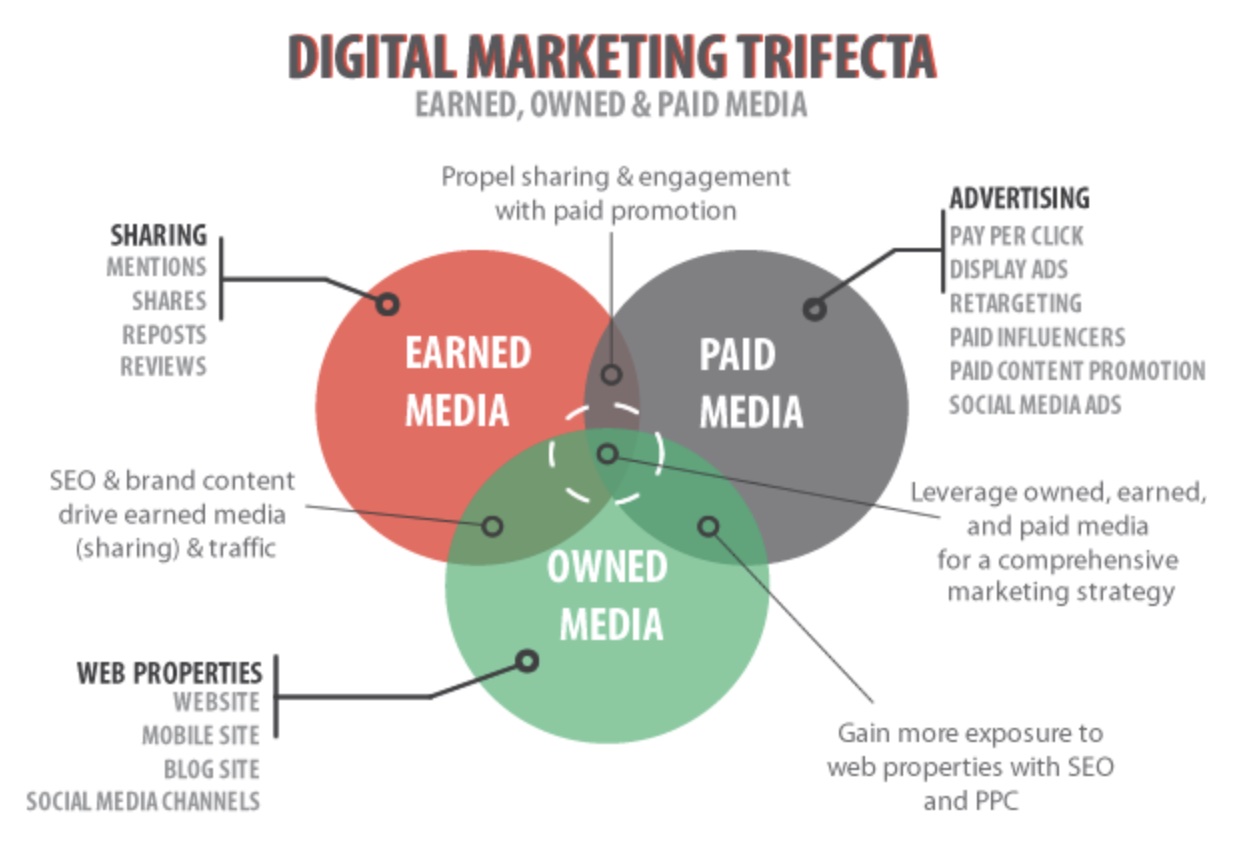
  • It is as a special form of social media advertising that blends elements of paid and earned media.

  • Types of Influencers

    • Mega-influencers (e.g., celebrities)
    • Macro-influencers (e.g., industry experts)
    • Micro-influencers (e.g., everyday consumers with a small but loyal following)
    • Nano-influencers (e.g., everyday consumers with a very small but very loyal following)

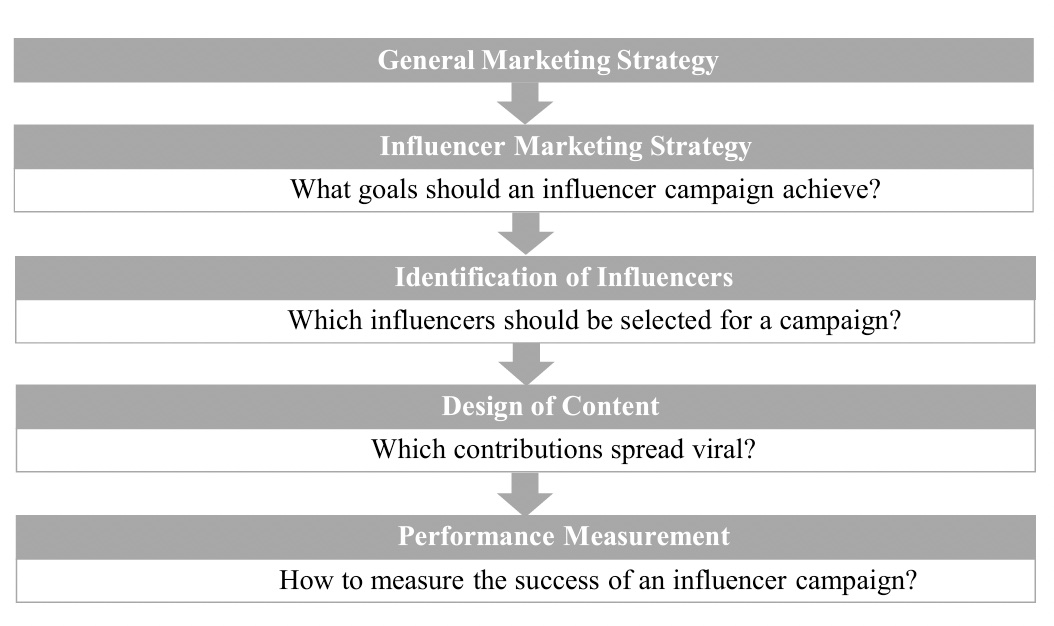
Steps of Influencer Marketing

Reflect

Why contents from influencers are more effective than contents from brand pages?

Livestream Shopping

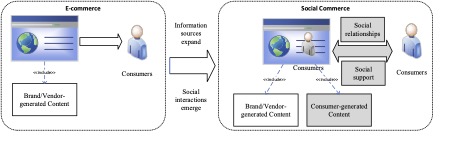
Social Commerce


Livestream Shopping

  • Livestream shopping integrates e-commerce with social commerce.

  • It is a marketing strategy based on livestreaming, where a host presents products and viewers can purchase those products in real time.

    • It exploits social media platforms to facilitate real-time interaction between sellers and buyers.
    • It utilizes influencers to promote products and engage with the audience.
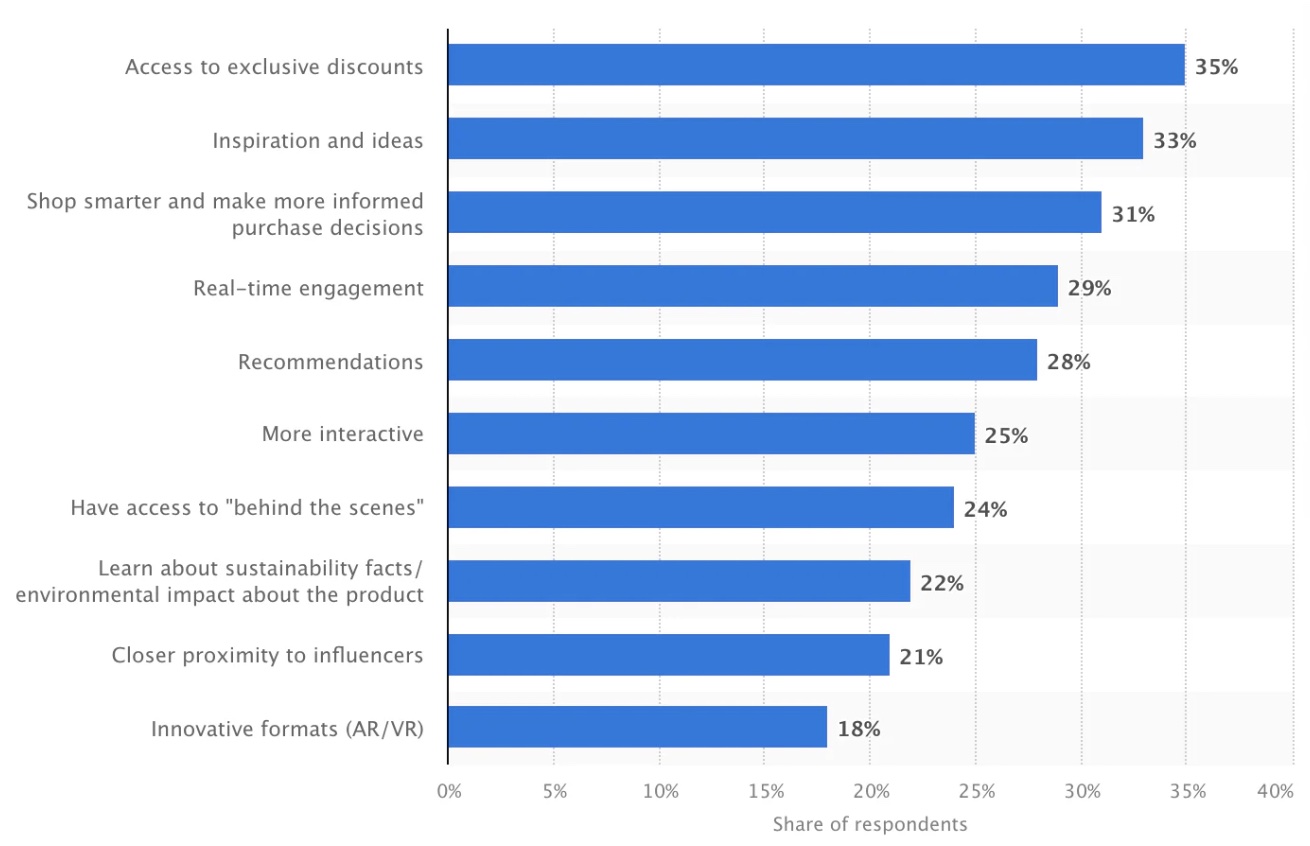
Reflect

Livestream shopping exemplifies how technology can fundamentally reshape retail by merging entertainment, real-time interaction, and commerce into unified experiences. Rather than simply digitizing transactions, transformative retail technology recreates and enhances the human elements of shopping—personal connection, community, and immediacy—while leveraging data to personalize at scale. Consider how emerging technologies might similarly reimagine other aspects of retail: Could AR transform product discovery, AI redefine customer service, or blockchain revolutionize supply chain transparency? The most impactful innovations don’t just add efficiency; they create entirely new value propositions that were previously impossible. As you reflect on retail’s future, ask yourself: What customer needs remain unmet, and which technologies could address them in ways that feel both seamless and human?

Optimizing Social Media Marketing Strategy

A Case of LinkeIn and Twitter


Thank You!

🙏

Q&A