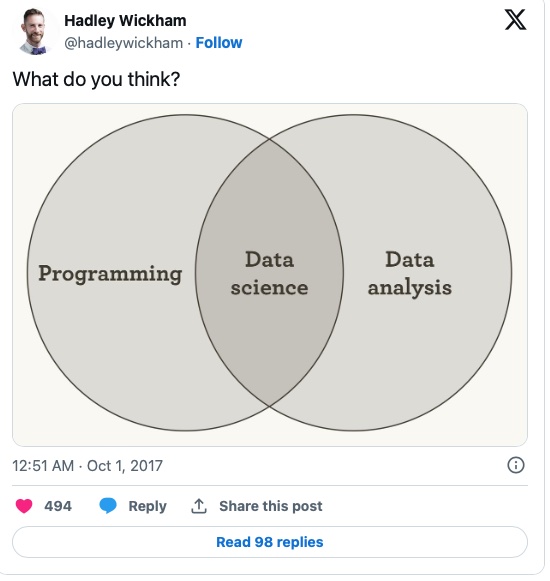
Foundation of Digital Marketing

(Advanced Digital Marketing)

Ashish Kumar

School of Economics, Finance & Marketing, RMIT University

Agenda

  • Introduction

  • Digital Transformation

  • Digital Trends

  • Digital Marketing Organization

  • Foundation of Digital Marketing

  • Digital Marketing Mix Strategies

Introduction

Defining Digital Marketing

Definition

An adaptive, technology-enabled process by which firms collaborate with customers and partners to jointly create, communicate, deliver, and sustain value for all stakeholders.

  • Kannan and Li (2017)

Objectives

  • To understand the complexity of the digital marketing environment
    • Through the lenses of data analytics
  • To unravel the true underlying behavior of consumer & firm

Broad Topics: Substantive

  • Digital Marketing Landscape
  • Digital Marketing Technologies
  • Digital Marketing Concepts: Theories, Metrics, and Tools
  • Social Media Marketing
  • Personalized Digital Marketing
  • Multichannel Multimedia Marketing
  • Mobile Marketing
  • AI in Customer Experience Management
  • Ethics and Regulation in Digital Marketing

Course Learning Outcomes

  • CLO 1: Critically analyse the complexity of the digital marketing landscape to communicate strategic insights to specialist and non-specialist audiences.

  • CLO 2: Research, develop, and justify innovative and ethically responsible solutions to authentic digital marketing problems faced by firms.

  • CLO 3: Apply data literacy and quantitative skills to interpret metrics, assess performance, and derive insights into customer and firm behavior.

  • CLO 4: Evaluate and design seamless customer experiences across evolving digital marketing environment.

  • CLO 5: Critically reflect on learning and the application of digital marketing concepts to scenario-based challenges and changing industry trends.

Learning Resources

Digital Transformation

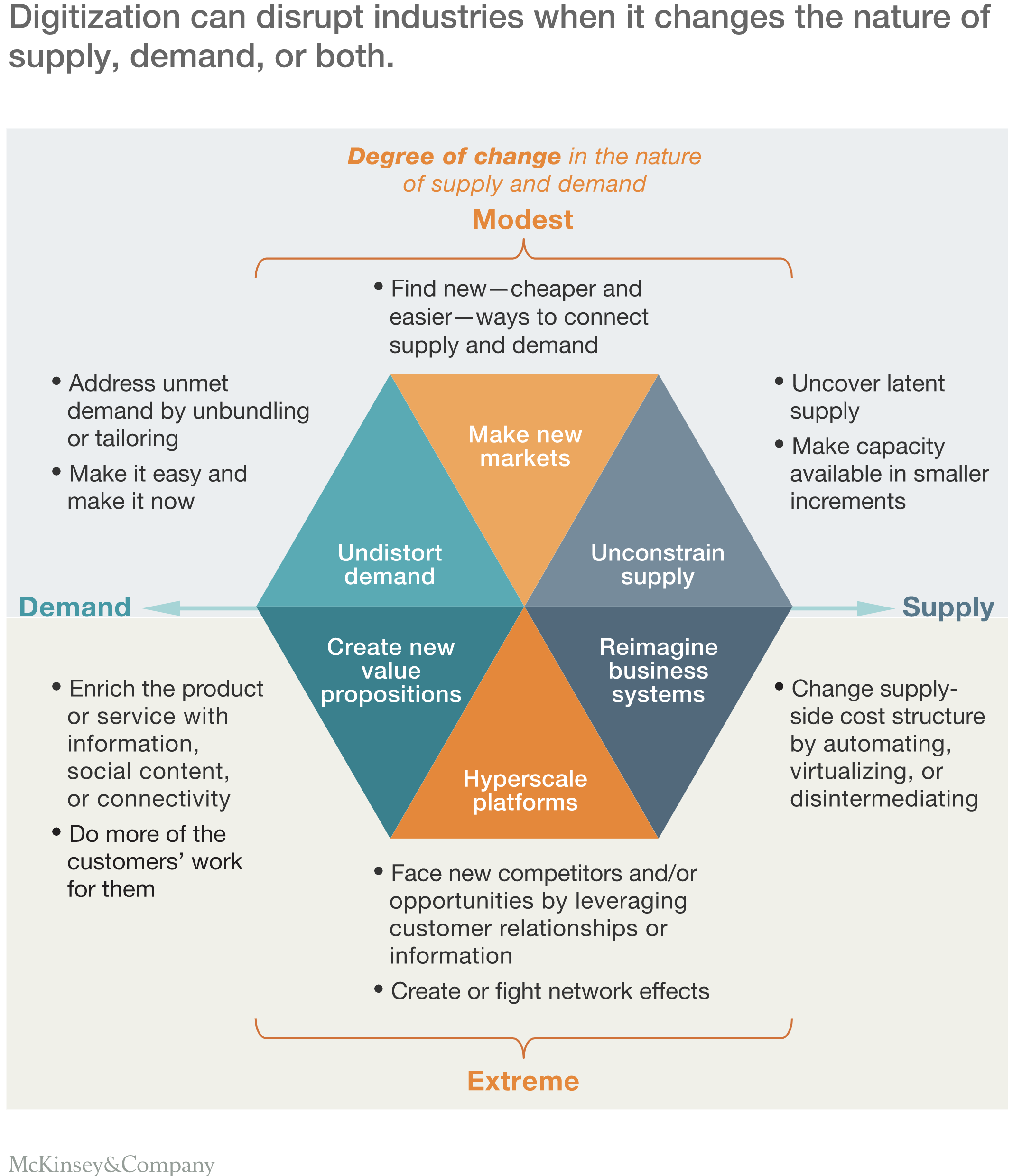
What is Digital Transformation?

Digital Transformation

The use of technology to radically improve performance or reach of enterprises

  • Technology innovation-related activities

  • Information Technology

  • Customer-facing Technology

  • Technological Integration

  • Data and Analytics

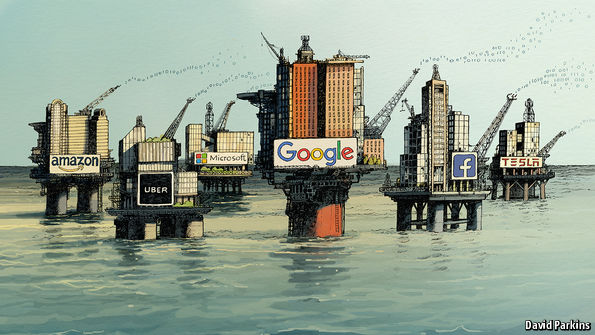
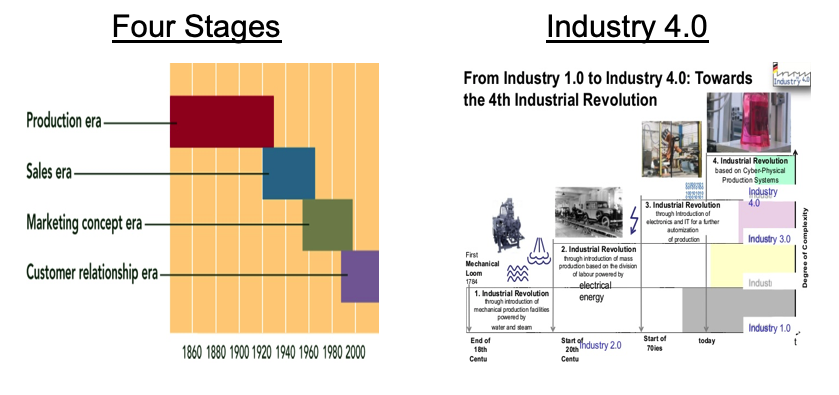
Changing Industry Landscape


Goals of Digital Transformation

  • Revenue Growth

  • Profits

  • Cost savings

  • Customer experience

  • Innovate products and services

  • Competitive advantage

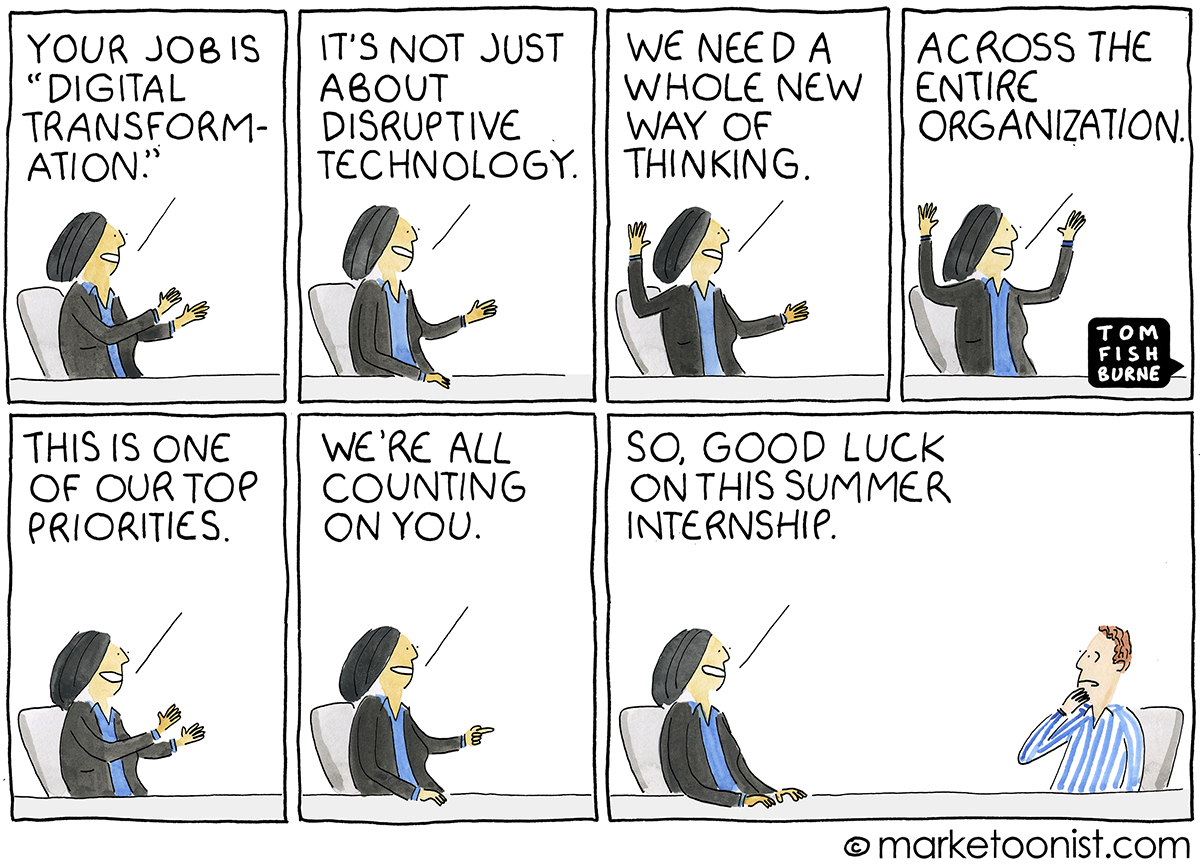
Hurdles of Digital Transformation

  • Digital Silos: No coordination among units.

  • Cultural Shift: IT takes the lead (CIO - Chief Information Officer).

  • Unclear Goals: Digital revolution is not about technology, it is about people.
Reflect

  • Identify a company that you know has undergone digital transformation

  • Reflect on:

    • What technologies did they adopt?
    • What challenges did they face?
    • How did it change their customer experience?

Digital Marketing Organization

Digital Organization

  • How is it different from Digital Strategy?

Foundation of Digital Marketing

Foundation of Digital Economy

  • INFORMATION

  • INFORMATION

  • INFORMATION

What is Information?

Definition

Anything that can be digitized–encoded as a stream of bits–is information.

  • Information Economy

  • Click Economy

“If there is no dearth of Information, then How come it is an economic good?”

Economics of Attentions

Attention is the currency of digital economy


  • The Economics of Attention

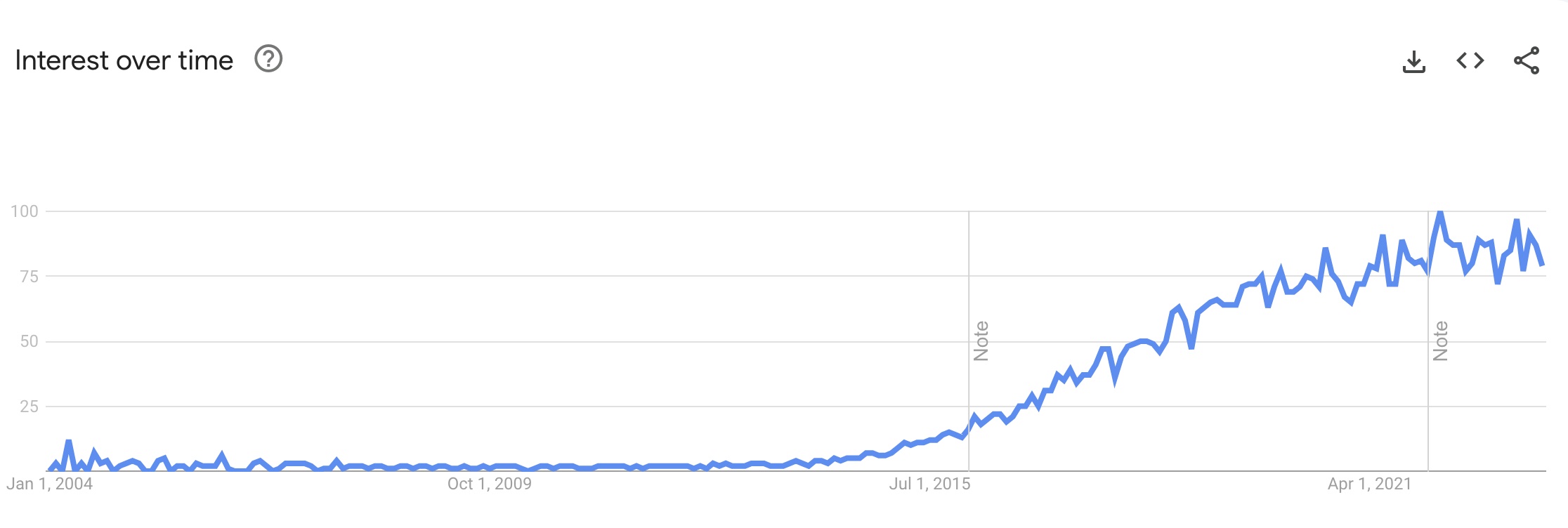
Economics of Digitization

Digitalization in Marketing

  • Production

  • Distribution

  • Facilitation

Features of Information

  • Economic Good
    • Information is an Experience Good.
      • Free samples, promotional pricing, testimonials
    • Vying for attention makes information an economic good.
      • Attention Economy (AIDA - Attention, Interest, Desire, Action)
  • Cost
    • Costly to produce, cheap to reproduce.
    • High investment cost but low marginal cost
  • Price
    • Price information according to its value, not its cost.
  • Substitute
    • A wealth of information creates poverty of attention.

Features of Information (2)

  • Network effect
    • Information goods exhibit network externalities or network effect.
    • It leads to demand side economics of scale and positive feedback.
    • Positive feedback makes large network get larger.
  • Technology
    • The technology makes information more accessible and hence more valuable.
  • Competition
    • Focus not just on competitors but also on collaborators and complementors.
    • Competitive advantage is gained based on value.
    • Lock-In
    • Switching cost

Reflect

  • Focus on the following companies
    • Netflix (how their recommendation engine works?)
    • Google search results (how they present the search results?)
    • Amazon (how they use customer data to recommend products?)
    • Facebook/Twitter(X)/TikTok/Instagram (how they design their social media feeds?)
  • Reflect on:
    • How do these platform capture your attention?
    • What makes information valuable for you?
    • How do network effect work in your daily digital interactions with these platforms?

Digital Marketing Mix Strategies

4Ps: Product

\[ Data\rightarrow Information \rightarrow Knowledge \rightarrow Wisdom \]

  • Economic Value of Information
    • Engineering perspective
      • Information transmission and storage
        • Example: Dropbox, communication networks
    • Semantic aspect
      • Meaning
        • Example: Business analytics, data analytics (McKinsey, eMarketer)
    • Economic aspect
      • Asymmetry of information
        • Example: Business intelligence (Analyst, R, SAS, SPSS)

4Ps: Product(2)

Information is costly to product cheap to reproduce.

  • Negligible Marginal Cost

4Ps: Product(3)

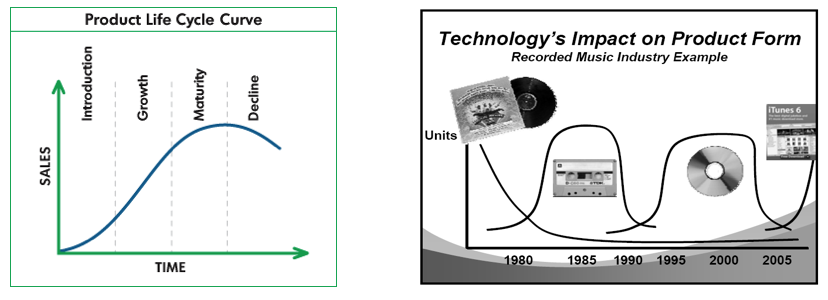
  • Information goods have shorter product life cycle
    • Multiple “generations”
    • Multiple “versions”

4Ps: Product(4)

  • Non-digital goods
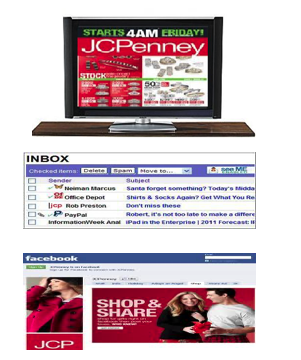
    • E-tailing (selling through the Internet)
    • Multi-touch points
    • Online search facility
    • Personalization
    • Co-creation
  • Hybrid structure
    • Magazine
    • Print, Digital

4Ps: Price

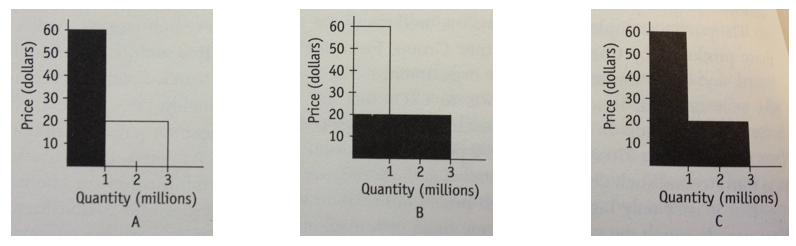
Digital Pricing Strategies

Dominant Firm Model

  • Economies of scale
  • Cost leadership

Product Differentiation

  • Same “kind” of information with different “variety”
  • Economies of scope
  • Differentiation

4Ps: Price(2)

  • High pricing
    • Based on willingness to pay
  • Low pricing
    • Price penetration
  • Mixed pricing

4Ps: Price(3)

  • Know thy customers

  • Personalized price by differentiating products

  • Take advantage of

    • Network effects
    • Lock-in
    • Sharing
    • Switching cost
  • Price sensitivity of customers vary between online and offline channels

4Ps: Promotion

  • Traditional Media
    • Television, radio
  • New media
    • Email, blogs, web
  • Social media
    • Facebook, Twitter
  • Digital advertising
    • Display ads (e.g., banners)
  • Search advertising
    • Organic vs. paid search


4Ps: Promotion(2)

  • Personalized promotion

  • Precise tracking of consumer response to ads

  • Big data analytics

  • Online promotion are mostly priced based

  • Offensive vs. defensive advertising

  • Informative vs. competitive advertising

  • Online brand communities

    • Brand community drives brand community practices that in turn drive brand image
    • Significant effects of content and platform

4Ps: Place

Opportunities

  • Multichannel marketing

    • Online vs. offline channels
  • Mobile marketing

  • Social selling

  • Multi-touch points

    • MCMM (Multi-channel multi-media) marketing environment
  • Order management

    • Order procurement
    • Order fulfillment

Challenges

  • Inventory management

  • Managing marketing mix across multiple channels

    • Price
    • Promotion
  • Consumer decisions in a MCMM marketing environment

  • Efficient allocation of marketing budget across channels

Customers in Digital Environment

  • Connect Consumer

  • Prosumer

  • Experience-seeking Consumers

Stages of Purchase Decision
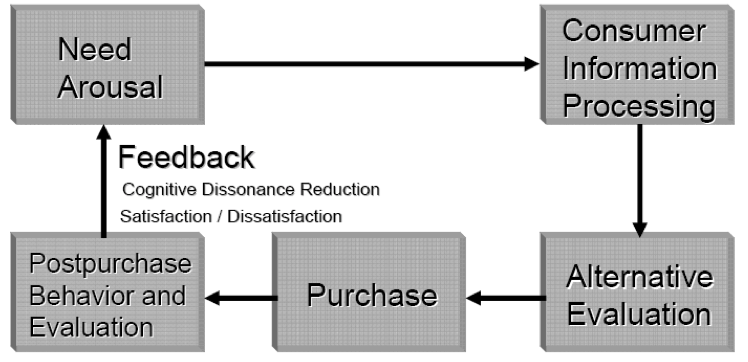
Customer Purchase Journey

Customer-Focussed Strategy
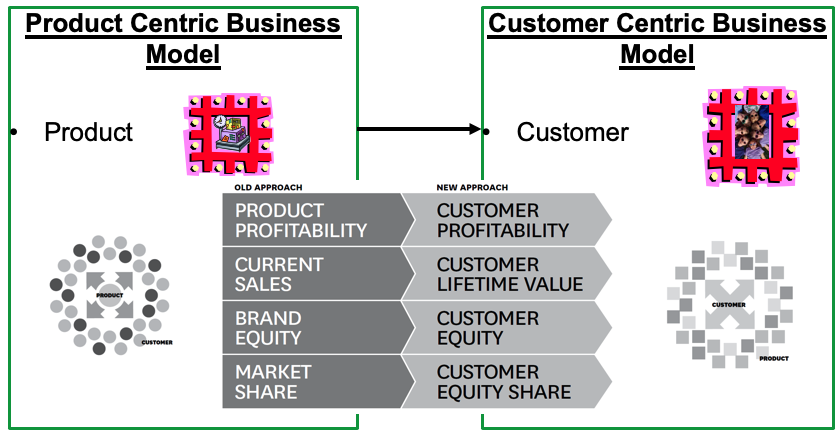
Customer Centricity


Why Customer Centricity Matters?

Levers of Digital Economy

  • Digital Technology
    • Internet
    • Digital computing tools (mobiles, tablets, desktops, laptops)
  • Online Network
    • Communication media
    • Distribution channel
    • Connected services
  • Information, Knowledge, Idea, Data
    • Information as a signal of quality
    • Information as tool for price discrimination
  • Attention

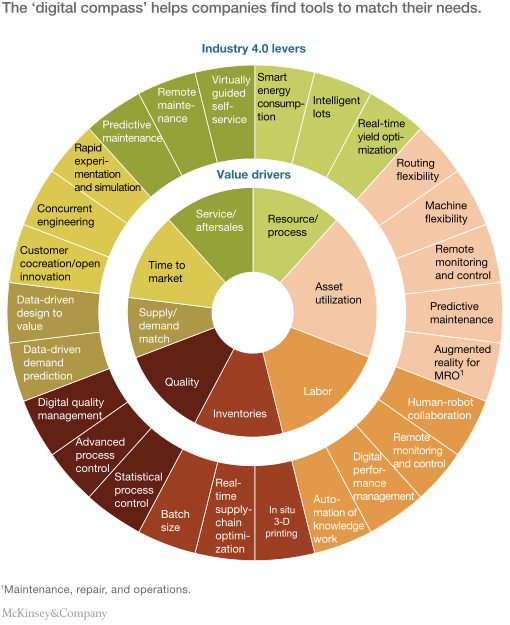
A Digital Compass

Data Analytics

Why Economic Laws are Important

Technology Changes.

Economic Laws do not.

Old Economics explaining the Internet Economy

Digitalization and Employment


Learn to Unlearn & Relearn

Source: The Future of Employment: How Susceptible are Jobs to Computerization

Reflect

  • Think of your recent purchase decision. How did you make it?

  • Identify all digital touchpoints you used in the process.

  • Reflect on

    • Which touchpoints were most influential?
    • How did digital channels change your decision-making?
    • Design a customer journey map for your purchase decision.

Thank You!

🙏

Q&A